Be yourself; Everyone else is already taken.
— Oscar Wilde.
This is the first post on my new blog. I’m just getting this new blog going, so stay tuned for more. Subscribe below to get notified when I post new updates.
Be yourself; Everyone else is already taken.
— Oscar Wilde.
This is the first post on my new blog. I’m just getting this new blog going, so stay tuned for more. Subscribe below to get notified when I post new updates.

As urbanization continues to thrive, parking management has become a pressing issue for cities and businesses alike. The days of manual ticketing and tracking are long gone, replaced by cutting-edge parking management software solutions that offer efficiency, convenience, and increased revenue streams. However, with a plethora of options available in the market, choosing the right parking management software can be overwhelming. In this comprehensive guide, we will walk you through the crucial factors to consider when selecting the perfect parking management software solution tailored to your needs.
The first step in selecting the right parking management software is understanding your unique needs. Each organization or municipality has distinct requirements. Some may prioritize streamlining parking operations, while others might focus on optimizing revenue generation or enhancing customer experience. Make a list of essential features you need, such as permit management, real-time reporting, mobile payment integration, license plate recognition (LPR) technology, and a user-friendly interface. Understanding your priorities will serve as a compass for evaluating potential software solutions.
Parking demands fluctuate, and your chosen software should be capable of accommodating future growth and evolving requirements. Scalability is vital, especially for businesses that plan to expand or municipalities with increasing traffic. Moreover, a flexible parking management software can adapt to new technologies and integrate seamlessly with other systems, ensuring a future-proof solution.
The decision to opt for a cloud-based or on-premise parking management software depends on your organization’s preferences and infrastructure. Cloud-based solutions offer accessibility from anywhere with an internet connection and typically require lower upfront costs. On the other hand, on-premise systems might suit organizations that prioritize data control and have robust IT infrastructure. Consider the pros and cons of each option before making your choice.
A user-friendly interface is vital for both staff and customers. The parking management software should be intuitive and easy to navigate, requiring minimal training for personnel to operate efficiently. Additionally, an intuitive customer interface for mobile apps or web portals will enhance the user experience, leading to increased customer satisfaction.
To achieve a seamless parking management process, your software should integrate effortlessly with other systems you already use. Look for solutions that can integrate with payment gateways, enforcement tools, security cameras, and mobile apps. Integration capabilities eliminate data silos, streamline processes, and improve overall efficiency.
Parking management involves handling sensitive information, such as personal data and financial transactions. Prioritize a software solution that ensures robust data security through encryption, access controls, and regular backups. Additionally, compliance with industry standards and data protection regulations (e.g., GDPR, CCPA) is non-negotiable.
Implementing a new parking management software may come with a learning curve for your team. Ensure that the software provider offers comprehensive training and ongoing customer support to address any queries or issues that may arise. A responsive support team can make a significant difference in the successful implementation and operation of the software.
Evaluate the pricing structure of potential parking management software solutions carefully. Consider whether the pricing model aligns with your organization’s budget and whether it offers a clear and predictable cost structure. Additionally, assess the potential return on investment (ROI) that the software can bring through increased efficiency, reduced labor costs, and enhanced revenue generation.
In conclusion, choosing the right parking management software solution is a critical decision that requires careful consideration of your specific needs, scalability, flexibility, interface, integration capabilities, data security, customer support, and ROI. By taking the time to assess these factors and align them with your organization’s requirements, you can master parking management and usher in a new era of efficiency, convenience, and success. Embrace the power of technology and revolutionize your parking operations today!
With the advancing technology, the transportation sector hasn’t been left behind. There are many transportation apps, including Wingz, Carmel, Curb, Uber, among others. However, today drivers can use the Rideshare App to transport passengers from one city to another. This is because it is a native, reliable and affordable app. That said, below are crucial things why people should use the Rideshare application.

Rideshare Passenger App Development
Passengers can download the Rideshare application on their phone and register to request transportation to various destinations. It has a map with various destinations because people travel to various places every day. Notably, this app has several developments, such as real-time updates, to help passengers reach their destination safely and on time. The technical requirements in this app include ride review, loyalty programs, and an in-app interaction feature.
a) Real-Time Push Platform
Drivers make many trips using the Rideshare application each day. With the help of the Rideshare software, this app helps passengers get real-time notifications that keep them updated. The real-time push platform is also vital because it is a way of messaging between the driver and the passenger.
b) Ride Scheduling & Cancellation
When scheduling for a ride, passengers must ensure to confirm their address, pick-up place and time, and their destination. This is to ensure that drivers don’t inconvenience their clients. When clients need to cancel a ride, they can confirm their cancellation details on the calendar icon.
Rideshare Driver Features Integration
Though taxi apps have had features before, the Rideshare application is integrated with many Rideshare software apps. They help the driver to remain updated about the pricing or report a situation such as an accident. The integrated software helps the drivers work for specific hours, avoid fatigue, earn reward points, and become preferred drivers, among other features in the software.
a) Google Maps API Integration
The application’s software is integrated with Google Maps API to help drivers to drive in various directions without confusion. Using the features in the software, drivers can apply various applications using Google Maps API, including retrieving crucial data and ensure real-time when picking up customers.
b) Driver Dashboards
The driver dashboards on the rideshare application contain all information that the drivers need as they ride their vehicles. Therefore, drivers are constantly updated about their daily rides and day’s activities because the driver’s dashboard displays vital data, including date, time, and locations.
Admin Panel Development
The Rideshare application contains an admin panel that has many functions, including showing data through the admin dashboard, rating the drivers, among other functions. It has unique features such as real-time GPS tracking, rides stats, push notifications, among others.
a) Reporting & Analytics
Drivers don’t require IT skills because the software allows ease to read, interpret and analyze data. The dashboard has several widgets that drivers can add or remove depending on the information they need. Therefore, they can share data through various formats such as PDF.
b) Admin Dashboard
The admin dashboard helps the admin to access crucial information, and monitor the drivers and users. It provides essential information such as types of services offered, the amount each client pays, payment status, among others.
Rideshare application Features to Make More Attractive
To make the software more effective, the application has several unique features. It has maps and location services that help drivers pick and drop off customers at different points without facing challenges. Another unique feature is the contact channel that keeps clients updated about bookings and hot deals.
a) UX/UI Design
The UX/UI design in the application’s software seems complicated, but it is easy to use. It is essential because it helps clients access any information they need, hence, earning the driver’s and company’s trust.
b) Payment Gateway Integrations
The Rideshare application’s software is integrated with the payment gateway, which is an acceptable payment method. It’s the best way to conduct transactions because it is secure and fast to use. Therefore, customers, drivers, and companies don’t have to worry about their data getting into the wrong hands.
c) SSL/TLS Protocols Implementation
CEOs and Executives or Rideshare companies need to keep their information and that of the clients safe. That’s why the application is implemented with SSL/TLS protocols that ensure the data is protected. Therefore, all drivers need to have an SSL/TLS certificate to access the passenger’s information.
The above is a brief about the Rideshare app. Since Rideshare software is the best solution for companies, it enables the app to function smoothly. Thus, it allows customers to book a ride without challenges, provides essential information to users, and helps drivers navigate easily.
Public transport is a great way to save time, energy and money. It is cheap, environmentally friendly and often times very convenient as well. According to some reports, public transport use increases property values by as much as 8%. Public transport is important for people living in cities all around the world. In addition to its environmental benefits, public transport can also be used for avoiding traffic jams, avoiding the cost of owning a car and much more. One of the problems with public transport is that a lot of riders do not plan their routes well in advance. They often get off at a random stop, leading to higher prices and longer waiting times. Public transportation companies have tried solving this problem by implementing public transportation software which can help users estimate their journeys.
Route Optimization Integration:
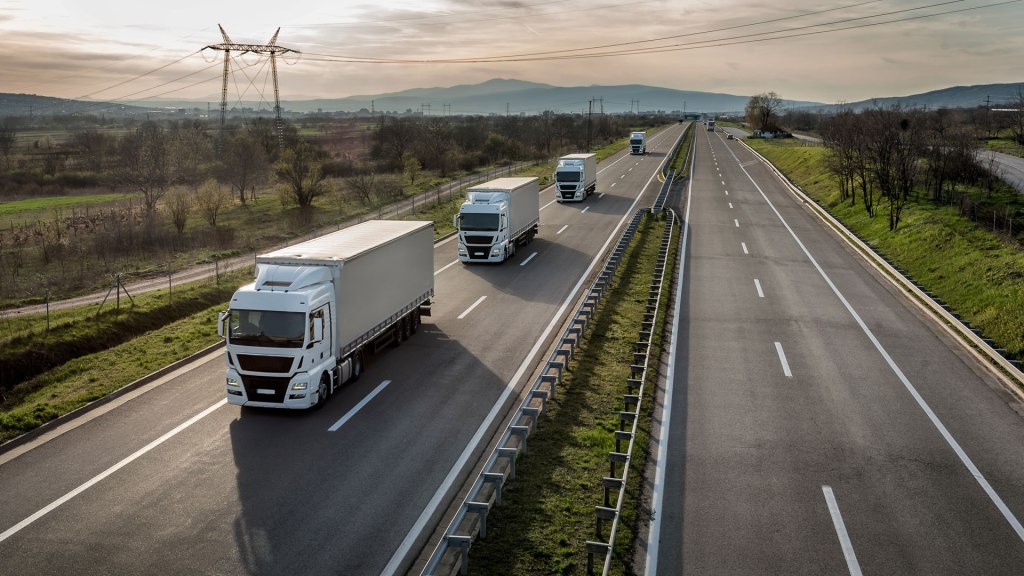
Route Optimization Integration can help you get to your destination faster and easier by taking into consideration the time of day, the type of vehicle you need (bus, taxi or subway), traffic situation along with various other important factors by use of public scheduling software and bus scheduling software. It can also assist businesses to monitor traffic and accident report systems by integrating the software with an advanced traffic control platform. Businesses can use this data to create efficient routes and schedules for their fleets of vehicles.
Transportation Mapping:
Transportation mapping is essential in public transportation since it is used to map out routes for public transportation vehicles. Transportation mapping helps both the users and the public transport companies by use of transport planning software. The users can easily plan out their schedule by checking out various routes that work well for them. Public transport companies use this information to monitor traffic, enforce regulations and also take decisions about where they will start/stop/terminate their routes.
Fare Collection System Integration:
Automatic fare collection system integration with public transport software and mobile apps will make life a lot easier. It makes the fare collection process efficient, easy and accurate. So instead of having physical tickets or tokens to validate, everything can be automated by use of contactless cards that you just tap on at the turnstile as you enter the METRO/subway platform or bus. With the use of transport apps, you can opt for “auto top-up” which will automatically update your fare credits as soon as they run out.
Track Real-time location with Business Intelligence:
With the help of bus scheduling software, business intelligence can be used to monitor where the vehicle is located real-time. The bus will have a GPS device installed and this information will be displayed on the mobile app connected to the transport software. Transit management software will help you analyze the routes you take and also find out which part of town has a high turnover rate. This will make your business more efficient and profitable in the long run.
Conclusion
Finally, this transportation software will help you plan your route; find the best transportation for you, allow you to track your vehicle’s real-time location and much more. There are different companies offering custom public transportation software solutions that are tailored to fit the needs of any city or even small town. They have many features that are built especially for transit companies, adding up to their market value and appeal. These solutions help public transport companies in reducing costs, increasing customer satisfaction level and better overall management.
The parking lot has been transformed by technological advancement, and parking software is now used in the process. This is one of the most effective methods for keeping track of customers, recording data, and controlling parking expenses. This parking management software also assists in determining the location of vehicles and has the ability to print receipts and invoices as quickly as possible.
The impact of automated parking systems is enormous, and it is now mandatory for all large establishments to use such software for effective parking system management. Only large corporations could afford such sophisticated automated systems a few years ago, which were only used by large retailers, hospitality, and healthcare companies. However, such systems are now affordable to the average man running a small retail business or even a restaurant.

The Importance of Parking Enforcement Solutions in Modern Society
Parking enforcement is an important tool for ensuring compliance with parking regulations, avoiding costly legal liability, and generating a consistent source of revenue for your city. To uphold the current parking policy and keep the city center well-stationed, effective enforcement is required. Any violation of parking regulations can result in hefty fines for the violators as well as a negative impact on the image of your town. As a result, effective enforcement is critical for parking management success, and it is only possible if you have access to adequate parking enforcement resources, which come in a variety of shapes and sizes.
Effective enforcement necessitates the use of tools that are specifically designed for parking enforcement. For example, various devices have been developed to make parking signs much more visible, allowing police officers to enforce parking regulations more effectively and efficiently. Other tools, such as cameras, are used not only by the police but also by municipalities to improve their ability to monitor these parking spaces. The digitization of the parking enforcement solution has made it easier for law enforcement to supervise parking meters and ensure that meter rates are properly maintained. By implementing a digitalized system, these cities will be able to monitor the traffic in the area and be able to take preventive measures in time.
Parking Ticket Management
One of the most significant advantages of parking ticket management is that it provides a tool for drivers to effectively manage their records. A driver has the option of appealing a parking citation in a local court. However, there are times when appealing a ticket is ineffective. Occasionally, the courts will reduce a fine or suspend the penalty entirely. Parking fines and other related penalties, on the other hand, are simply a fact of life for the vast majority of drivers. It is critical to have access to a parking ticket tracking system that allows a citywide view of one’s records to maintain a clean driving record. City and business owners can gain several advantages by using an online parking ticket management portal. These advantages include instant online access to case information, the ability to download and print reports, and instant access to a free phone consultation.
Parking Control Software
Business owners are constantly on the lookout for the best parking control software to help them optimize their operations. It is not only necessary to increase profitability and cut costs, but it is also necessary to keep parking lots safe from vandalism, theft, and other issues. The use of smart meters is an important aspect of how the right parking control software can optimize business operations. It is critical to keep track of how much revenue a large number of customers generate, as well as whether or not they spend money on specific products and services.
Smart meters can make this possible because they can read radio waves, just like the traditional meters but they do it faster. In this way, the meter can indicate how much is being spent on certain items such as the service, gas, food, coffee, or other products and then calculate how much change can be expected from the specific transaction.
Parking Kiosk Software
The best Parking Kiosk software systems will offer more than just self-serve car parking. For example, they should include features such as real-time billing, vehicle inventory, and employee tracking. This is because parking lots are notorious for being very busy with the end of the day, the peak evening hours, and the holiday season. Not only is it more difficult to get a reservation at popular hotels and restaurants during these times, but the standard parking rate is often higher as well. By offering additional services such as employee tracking, these manufacturers make it easier for their customers to keep up with who is coming and going in their parking lot. The combination of these services, along with the fact that your business is self-serve, offers clients an affordable, convenient way to pay their bills or use their cards.
Another great benefit of Parking Kiosk software and kiosks is that they can be networked to multiple payment gateways to allow customers to pay for items while they are out of their car. Some systems even include built-in CVV systems that allow customers to scan their drivers’ licenses and then use the same system to pay for items they have purchased using their card. This allows you to offer more than just parking tickets. The use of kiosks, which can be programmed with several different programs, offers a unique way for your business to take advantage of modern technology to help you increase profits while decreasing your expenses.
Conclusion
With technological advancements and the introduction of advanced parking software, we can anticipate many new features that will enhance its functionality shortly. RFID integration into the parking system is one such new feature. This is expected to completely transform the parking industry as we know it. Smart cards and even biometric parking systems are other features of parking lot security management software.

Traffic management refers to the act of directing vehicles and pedestrians around some form of disruption. This could be a building site, mishap, local area occasion, gridlock, tree expulsion, street clearing, or whatever else that could make risk or disturbance a vehicle or pedestrian.
By successfully managing traffic efficiently and safely, the chances of vehicles crashing can be significantly reduced, as well as other safety benefits.
There are many traffic management software solutions that can be implemented on the roads, and in this article, we will explain every aspect of the advanced traffic management system.
Quick Glimpse on Traffic Management System
According to the United States Department of Transportation “DOT”, traffic congestion can have three key sources. One is related to events that influence traffic, such as incidents, bad weather, and work zones. The second is identified with traffic demand, which implies variances in ordinary rush hour gridlock and extraordinary occasions. The last source is the vehicle foundation, which addresses the traffic control devices and actual bottlenecks.
Besides, these bottlenecks are liable for 40% of overall traffic congestion, trailed by traffic occurrences, for example, vehicle mishaps with roughly 20%, terrible climate conditions with 15%, extraordinary occasions with 5% and 10% work zones, and helpless traffic signal timing. Along these lines, focusing on forestalling traffic and further developing in general rush hour gridlock productivity, huge urban communities rely on traffic management systems.
A traffic management software aims to reduce traffic congestion and related problems. For this, traffic management systems are comprised of a bunch of utilizations and the management tools to coordinate correspondence, identification, and handling technologies.
TMS collects traffic-related data from heterogeneous sources, such as traffic lights, vehicles, and road and highway sensors. Furthermore, by aggregating and exploiting such traffic-related data cooperatively in a cloud-focused “TMC” traffic management center or data center, various traffic hazards can be identified and controlled accordingly, improving overall traffic efficiency and providing smooth traffic flow.
Top requirements of the Traffic Management System
To help you get started, we have selected a list of TMS requirements that you can use to decide what you will need from traffic management software.
Automatic Carrier Selection
Picking a transporter to deal with your shipments can be troublesome. You must consider a multitude of factors such as cost, geographic accessibility, and whether or not you will need multiple carriers. Your needs may also differ slightly from shipment to shipment. But you probably don’t have time to review and choose a carrier by hand for each package. That’s where car operator selection comes in.
Auto Attendant Selection manages all of your operator options in one place. Not exclusively does it helpfully concentrate your choice cycle, it additionally picks the best carrier consequently. The systems do this by taking into account factors such as cost, necessary equipment, insurance coverage, preference, and more. All of these are considered by an algorithm that determines the lowest cost option that can provide all other necessary aspects.
Automatic order processing
Modern systems use EDI “electronic data interchange” to standardize communication. EDI replaces manual means of communication, such as the mail, to speed up the exchange of information. EDI is useful in order processing, eliminating the need to enter orders manually. This reduces the time involved in data entry, but it also reduces errors. Using EDI, your system can automatically extract order data from other resources to automatically create orders.
Most systems will also allow you to create orders using non-EDI data. So for example, if your vendors still run very manual processes, you can still work with them without EDI. In addition, you can choose a system that will generate confirmation notifications that can be sent to the appropriate parties.
Multimodal shipments
Multimodal shipping involves a level of detail not seen in many other industries. Between the genuine coordination of overseeing different methods of transportation and the lawfulness of subcarriers, it very well may be useful to have traffic management software to deal with everything.
If you plan to implement multimodal shipping, make sure your transportation management software can handle all the modes you use. It consists of road, sea, air, and rail. Your system should handle the logistics of cross-border transportation, as well as any national considerations. You may also prefer a system that can handle cross-docking, which minimizes storage time and warehousing costs.
Real-time network traffic monitoring with TMS
Network traffic management refers to the most common way of blocking and examining network traffic and directing traffic to upgrade assets dependent on priorities. Key elements that should be monitored for better management of your network include network performance, security, and traffic. The network traffic control tool use the board procedures, for example, network execution and transfer speed checking, observing traffic examples to distinguish and forestall bottlenecks, network security investigation, and optimization to guarantee ideal organization activity. Helps maximize network performance and security by keeping network threats and congestion at bay.
Managing network traffic is critical to ensure you get the most out of your network; Comprehensive network traffic management software makes it much easier to understand what is happening on your network. In addition to ensuring that business-critical applications are prioritized, thus preventing non-critical applications from hogging your bandwidth, network traffic monitoring software offers other benefits, such as protecting your network from outages, helping you troubleshoot and solve problems faster and prevent potential bottlenecks manage your evolving network, identify security threats, and consequently increase ROI.
Traffic camera software integration
Traffic control cameras are an imaginative and incredibly useful utilization of video surveillance innovation. You have seen his images during traffic reports on television news. They are at the top of traffic lights and along busy roads and at busy highway intersections. Regardless of whether they are recording traffic patterns for future investigation and perception or monitoring traffic and giving tickets for traffic violations, speed cameras are a violently well-known type of video surveillance.
The traffic camera software is a worth added tool to assist with alleviating the burden on activities faculty performing manual reconnaissance, regardless of whether a tasks community is facilitating handfuls or many video transfers. Traffic camera software can proactively alert operations personnel based on the alert criteria they establish for the roads they are monitoring. Alerts can be seamlessly integrated into existing advanced traffic management software. These can dramatically reduce the effect of traffic incidents and improve overall safety.
Automated traffic light and pedestrian signal
We have certainly come a long way since the time of the 1850s when traffic lights were used to control traffic. They were simpler times, with gas lamps and streets with almost no vehicles. Today’s times are different; with automatic lights and a large number of vehicles on city streets, we need an improved traffic management system. Here, traffic management software and a computerized traffic light system surely appear to be practical alternatives for what’s to come.
Connected Vehicle Technology & Traffic Management System
A connected vehicle is one that can connect via wireless networks to nearby devices.
Connected vehicles are a significant factor in the headway of IoT. Use cases range from connected entertainment systems that connect to the driver’s mobile phone to Internet-connected vehicles that have two-way communication with other vehicles, mobile devices, and city intersections. The rapid growth of connected innovations is especially prevalent in shrewd urban communities and traffic management software today.
Fleet Management
Fleet management is a process that has been around for more than one hundred years and serves to help companies stay efficient, safe, and reliable. The idea behind it was originally developed because of the need to have trained drivers on standby in case any car had issues with the engine or other vital parts breaking down during long journeys. This would allow them to respond immediately should something happen so they could get customers where they needed as quickly as possible while also providing peace-of-mind by avoiding potentially costly emergency roadside services like tow trucks being called out from their location miles away which can take hours depending on traffic conditions before arriving at your destination.
Fleet Management Software
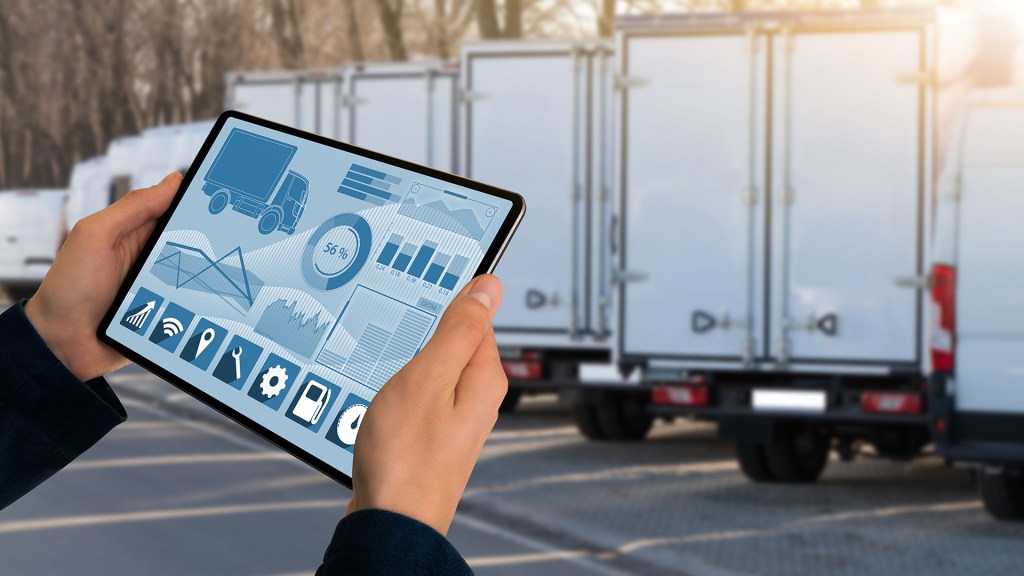
The more you know about fleet management, the easier it will be to run things smoothly. This is where software like Fleet Management comes in handy because with this tool at your disposal, running and managing fleets becomes so much simpler!
Fleet management is the process of controlling and managing a fleet with various tools. Fleet Management Software allows for an organized, orderly system between all members involved in that carpool or company vehicle everyone shares alongside one another. Fleet management allows you to keep track of each member’s responsibilities such as fuel consumption; mileage is driven per day/week/month, allowing drivers person their responsibility more easily when they have access to real-time data at any given time if needed so this information can be updated accordingly on ride-sharing apps where it is appropriate and efficient to do so.
There are advantages for smaller companies but it can be difficult for smaller companies with limited resources to manage their fleets; however, when you use software like FleetLink’s free online dashboard it becomes much easier! You’ll have all your important data in one place so figuring out how many miles were driven last month or which vehicle needs an oil change just got way simpler. Online dashboards also allow managers to share information across departments such as inventory control meaning workflow doesn’t get clogged up waiting on approval requests before something gets done.
Fleet Management Software is the most Efficient Tools for a Company
The Fleet Management software is the most effective solution for Companies, as it can give a company an insight into their fleet activity. The program records all of your trails and provides you with reports that show exactly where vehicles are going on average over time. It also has features such as companies need to track fuel consumption or mileage in which some people may not be aware of how much they’re spending per vehicle monthly until this type of information is presented visually by way graphs or charts within the system’s interface. This interface creates an easy to use beginner-friendly tool that creates advantages for the entire company.

Dispatching software is a computerized tool used by delivery trucks and fleets to direct the movement of goods. As well as inventory from one point to another. The dispatching system software allows truck drivers and other technicians to view the current status of the cargo. This is in real-time and also to set up the destination for the next delivery. For example, this type of software can allow a driver to know when to make a stop. As well as when it is time to make a return trip to avoid having an empty truck at the end of the route.
Improve Logistics with Dispatch Software
Modern trucking companies rely on Truck Dispatch software to manage their fleet. As well as track orders and check deliveries. This Transportation dispatching software ensures the smooth running of a trucking company. This is by streamlining operations.
This is done by integrating the company’s data. It enables the trucking managers to schedule jobs. As well as make repairs, place orders, and tell drivers. The availability of software applications also allows trucking managers to access data at any time. And from any location, making it a necessary part of today’s trucking industry.
Automate Dispatching Business
A Transportation dispatching software is designed to allow dispatchers to place orders quickly. And have them moved as soon as possible. The Dispatching system works by storing information. This includes pickup and drop-off times.
It then allows dispatchers to route drivers from one point in the warehouse to another. The Custom Dispatch solutions software also logs all relevant information about an order. This is the pickup and drop-off time and routes.
The software uses data generated. This is to ensure that drivers are following company policies and procedures. Rather than relying on human supervision. It is amazing how much time a trucking company saves when using this type of software.
Real-Time Delivery Tracking Status
With GPS wireless devices, trucking businesses have had an easier time. Drivers can now enter their information into the computer. The dispatch software then determines their delivery location and times. The software can also track the movement of shipments. And also communicates to the clients about the delivery of their items. Based on the driver’s entry.
Computer-Aided Dispatching
Modern trucking companies use dispatching software to enable them to reduce operating costs. This is by automating many functions that used to be handled by truck drivers. Most dispatching software programs come with sophisticated algorithms.
Which enables the software to determine optimal routes as well as shipment times. Some software programs even include customer service tools. Such as real-time status reporting and email or telephone support. All of which reduce labor costs, improve customer service and boost profitability. Further enhancing trucking companies’ ability to serve their customers.
Conclusion
Improved logistics and operational management are crucial to most trucking companies. Their profits increase when they use dispatching software. A good software program will integrate seamlessly with other computer systems. Then distribute information to many locations. This streamlines both trucking operations and warehousing operations. Thus allowing companies to operate more efficiently.
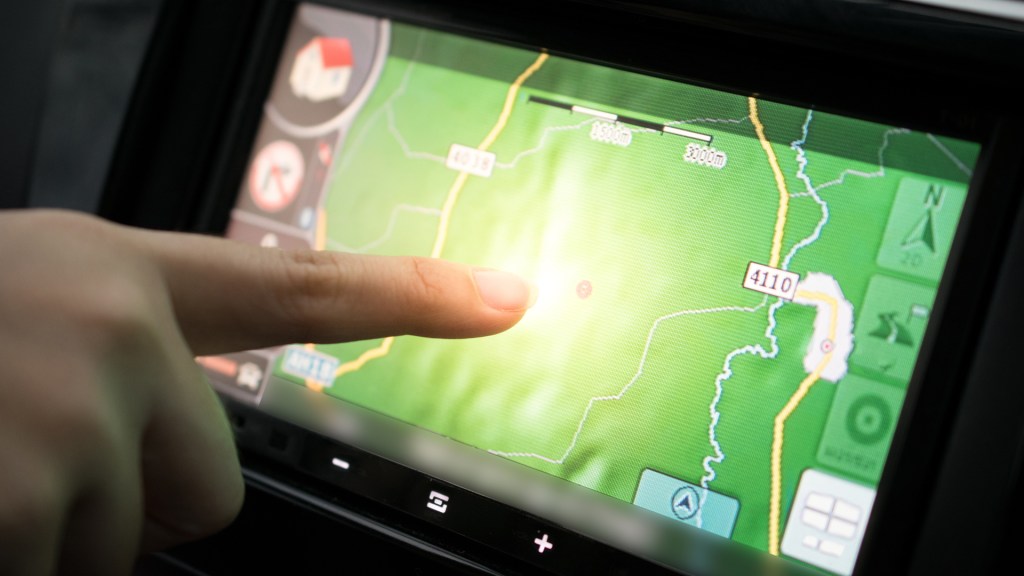
As a CEO/Executive, there are many essential factors that you must monitor to ensure your business is successful. One of the most critical aspects of your company is the transportation management system. This blog post will discuss what this type of management entails and why it’s essential for executives to be aware of its importance in their companies success.
What is TMS, and why it’s important?
The first thing CEOs need to understand about Transport Management System is that it’s not just about tracking shipments or dealing with logistics. Instead, This software provides a single interface for all facets of the supply chain process, from purchase order placement through delivery confirmation.
The benefits include:
Improved inventory control.
Better visibility into freight costs.
More accurate forecasts.
Better customer service responsiveness.
Reduced operating costs.
Who uses a Transportation management system and why?
Different businesses use a Transportation management system, such as trucking companies, ocean shipping, railroads, airlines, and even courier services. A transportation management system is a logistics platform that uses technology to help businesses plan, execute, and optimize the physical movement of goods.
A Transport Management System often falls under the umbrella of supply chain management. A total solution that ensures safe and secure deliveries, from monitoring day-to-day operations and optimizing routing information to streamlining the shipping.
What is transportation management software ?
The benefits of using a transportation management system cannot be understated. Custom Transport Software is the program used in transportation management. It allows your organization to run more efficiently and profitably while providing better service to your customers. The use of this system allows your company to manage all aspects of the shipping process.
It also provides access to information from other departments such as finance, accounting, legal, customer service, etc., so you can integrate better decision-making into your supply chain management. In addition, using a custom transport system saves time and money.
Why do you need custom transportation management software for the multimodal transport business?
Multimodal transport business handles more than just the world of road transportation. So why not invest in custom software like Transport Management System? It will help you track all your shipments around much quicker and with greater accuracy. It integrates data from multiple modes of transports. So there’s less chance for error occurring during transmissions. Choosing a custom transport software system is not just about selecting the right software. Selecting an appropriate integration that will work with your current set-up can make or break its implementation process and workflow efficiency.
What are the users’ advantages and disadvantages of On-Premise vs. Cloud-based TMS Deployment?
The most common benefit of using on premise TMS is that users do not have to rent or lease additional space with a third-party provider. This benefit makes it cost-effective in the long run. However, you will need to worry about upkeep and maintenance costs if something goes wrong in your own IT infrastructure.
There are some disadvantages to using on premise systems vs. cloud-based custom transport software deployment. For example, you have less flexibility when using on premise systems because your organization will need to invest in additional space for servers and other hardware to store data. It is also more challenging to migrate all of your information from one system to another.
The most effective solution for organizations is Custom Transportation Management Software. This software will allow you to create a digital roadmap that automates all your transportation needs and integrates seamlessly with your current business processes, which can save you time, money, and resources in the long run. If this sounds like something you might be interested in exploring further, give us a call today! We’ll walk through what CTMS entails step-by-step so you get an idea of how it could help improve the way your organization operates daily.
What is Commercial Vehicle Electronic Clearance Software?
Importing international vehicles involves dealing with customs as it enters the country. In the past this involved mountains of paperwork that had to be filled out and filed away. Today it is possible to take care of all of these things electronically using custom clearance software. It will make it so that the entire customs process is entirely automated so you do not need to worry about anything at all. These systems are referred to as CVEC Systems or CVEC Technology and they represent one of the most modern Vehicle Electronic Systems that handle customs.
Use of the Vehicle Electronic Clearance Software
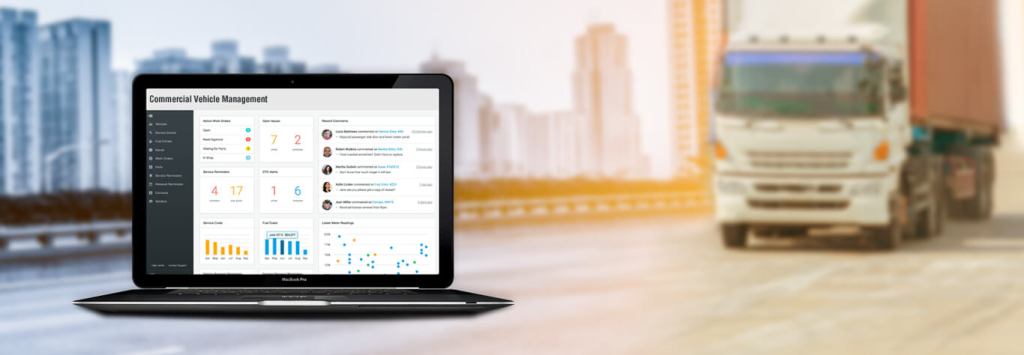
This type of software will allow you to automatically create customs import and export declarations. It will automatically enter all of the necessary details. Typically these systems are built to be integrated with existing electronic systems that you have implemented. This is thanks to the modular design of software solutions. This software will also calculate the valuation of customs duties and taxes in addition to allowing direct exchange of data between parties. It will keep a log of everything that has been done as well so you can easily go back and verify if you need to for any reason.
Benefits of the Electronic Clearance Systems
Perhaps the single largest benefit of using custom software to handle all of your customs dealings would be the reduction in overhead costs for your company. In countries that have implemented the clearance model for customs imports and exports on a widespread basis have produced some interesting data. The cost for compliance is reduced by as much as 40% for companies in comparison to paper customs and voices. There are also far fewer cases of fraud thanks to the authentication systems that are built into the software. It also is a much faster process than the traditional paper route and the processing fees are much lower. This means that by implementing a clearance model you will be able to not only save money but also time. It is hard to get much better than that.
Advantages of Commercial Vehicle Administrative Processes
Technological development has defined the last century of humankind. It was not that many years ago that flying was thought of as magical thinking. Today the trucking industry is one of the most widely impacted by the transition to the plant system for customs duties imports and exports. Whenever a truck is using the clearance system they can implement transponders that are installed inside of the vehicles to help monitor vehicle inspections and for crossings. This has helped to introduce significant efficiency advantages to supply chain management roles. The technology has just begun to show us its potential applications and they are already impressive.
Custom Commercial Vehicle Electronic Clearance Software by Chetu
If you or your company have to deal with customs on a regular basis and you have not transitioned to electronic method yet but are rather still incrementing the paper method and you might be interested in hearing about some of the custom software solutions offered by the software developer Chetu. They have been around since the year 2000 and in that time have managed to build up a great reputation for delivering on the products that they offer. They have worked with some of the world’s leading companies including several companies that are members of the Fortune 500. If you believe you could benefit from a customs software solution then you should contact them. They are experienced in transportation software development and can help you with all of your Commercial Vehicle Information Systems needs.
Fleet Crew Management Software is a specialized service that helps airline industries to manage crew, hub, and fleet operations effectively. Automation is a crucial part of the utilization of both Fleet and Crew Management Software because many companies have different systems and processes of dealing with management strategies.
Fleet Management Software enables governments and companies like airlines, to manage all projects revolving around a fleet vehicle’s operations. Crew Management Software is mostly utilized in maritime services by facilitating payrolls, training, and management reporting, as well as crew, changes especially when running the Modular Crew Management Software to manage reports and certificates directly from the system.

Purposes of Fleet Management
Fleet management has two major roles. The first is to help organizations and government that run fleet vehicles to control the expenses associated with operations. Note that many corporate industries in the world today, such as couriers, public transport, and sales, have a fleet that, when left unmonitored, could cause massive diseconomies of scale for the company involved.
The second purpose of fleet management is increasing the competitive advantage of the firms involved by delivering effectively on customer expectations and experience. Fleet management can be used as a valid reference for building and maintaining Customized Software Development for specific industries like banking and security. Customized Software Development is performed by in-house developers to help design and create software precisely meant for respective users in companies.
To read the complete blog of Fleet Crew Management Software, please visit here – https://chetutransportation.weebly.com/blog/benefits-of-fleet-crew-management-software-and-its-advantages

 Transportation Software Solutions